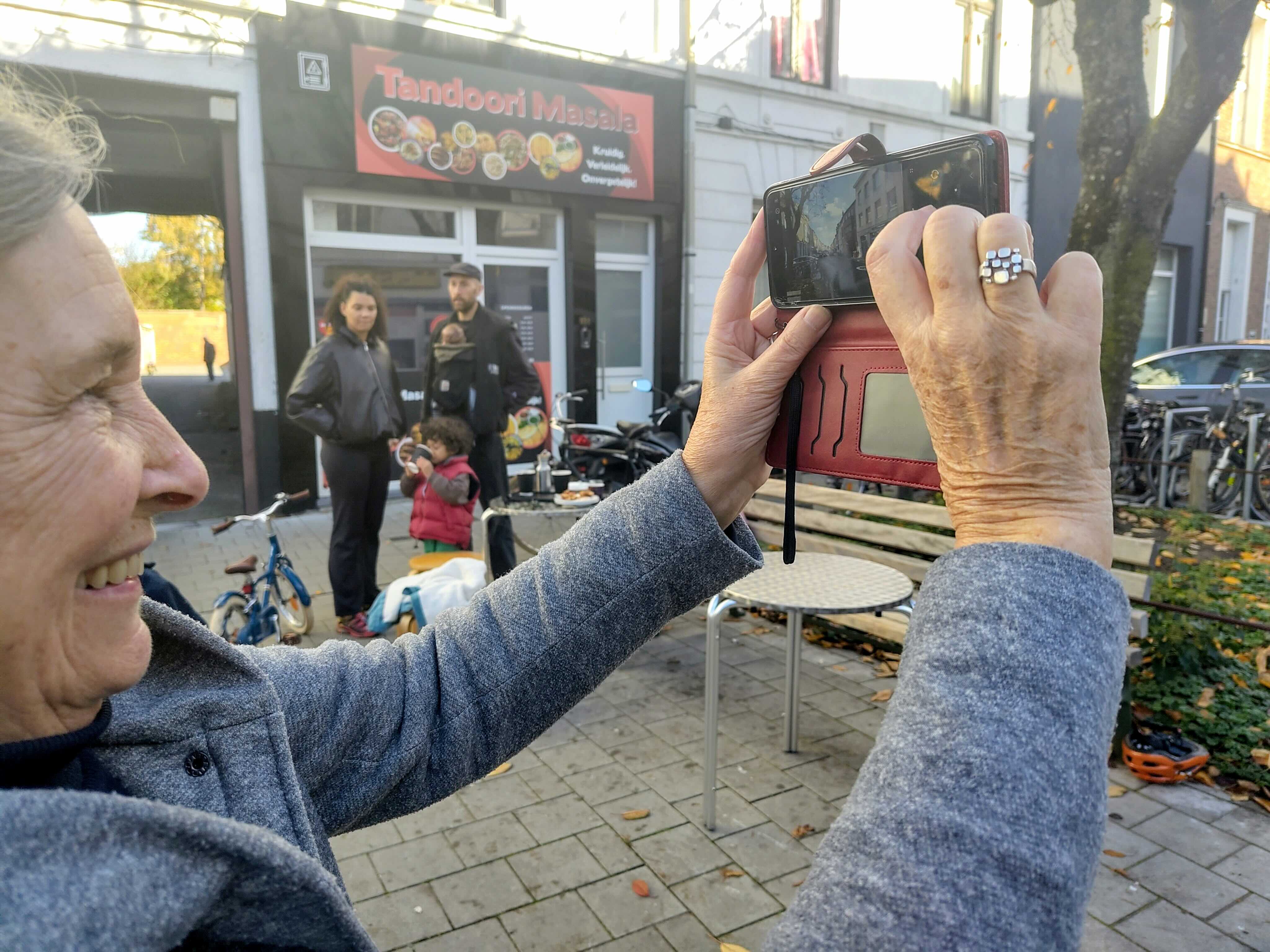
Photovoice is a creative participatory method in which people use photography and storytelling to highlight their own realities and perspectives.
It opens space for reflection, dialogue and change.

photography + reflection + change

The Photovoice methodology was developed in the '90s and is broadly used in academic research. It is rooted in documentary photography, feminist theory and the "critical consciousness” methodology of Paulo Freire.

It has been successfully used in a variety of fields: social justice, HR, research, education, healthcare, youth work, social welfare, human rights, peacebuilding, policy planning, urban and rural development, international cooperation, etc.

It has been applied for a variety of purposes like community or team building, reconciliation, healing, capacity development, fundraising, needs assessment, program evaluation, advocacy, campaigning, etc.

Why?

Brings people together and strengthens community connections. Creates space for dialogue and empathy.

Informs programs, policies and case studies with lived experience and visual evidence.

Elevates voices that are often overlooked, highlighting what matters to them.

Images can start a conversation on difficult topics, they are a key to access silences, memories, reflections and emotions.

Shifts power to participants, recognizing them as the true knowledge holders

Builds valuable skills: in photography, critical thinking, collaboration, self-expression, etc.

Creates impact through exhibitions, reports, or presentations that link personal stories to wider social change.

Adaptable according to small or large projects, according to needs, resources and goals.

Curious about how Photovoice might fit your work, team or community?

Thank you! Your submission has been received!
Oops! Something went wrong while submitting the form.

“The pictures allow more symbolism and a way to talk about the topics, especially with the different languages present.
I really liked that it was not only about Catapa as an organisation but also about us as individuals and activists.”

“We learned a lot and it is a great way to talk in a different way about how we are feeling and to explore what we are feeling."

“It felt like people could voice what was on their mind. It felt like understanding the others better.”

NO-STATUS-QUO facilitates workshops and projects using participatory methodologies that involve images, stories and creativity enabling individuals, communities and organizations to evaluate and change their context.
Meet Frauke